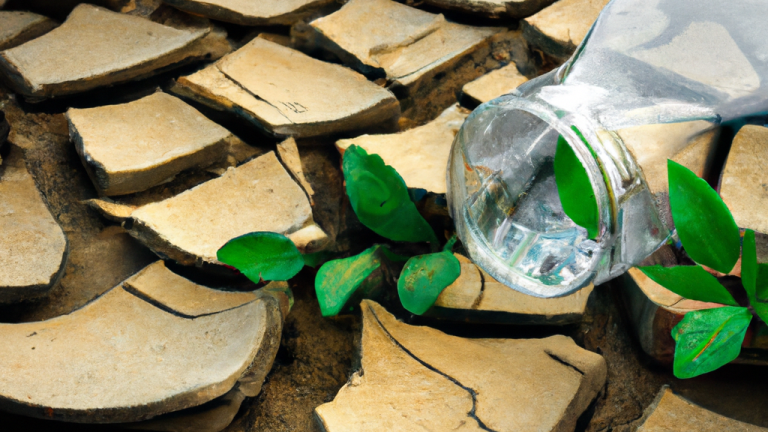
Reversing Devastation: The Crucial Role of Reforestation for Our Planet’s Future
The environmental devastation caused by human activity has become a growing concern worldwide. Unchecked deforestation, air and water pollution, climate change, and biodiversity loss are just some of the severe consequences of this destruction. However, an effective solution to combat these issues and restore environmental balance is reforestation.
Why is Reforestation Important?
Reforestation is the process of planting trees in areas that have been deforested or degraded. This practice offers numerous benefits for the environment and life on the planet as a whole.
1. Carbon Capture
Trees play a crucial role in capturing carbon from the atmosphere. During photosynthesis, trees absorb carbon dioxide (CO2) and release oxygen, helping to reduce the amount of greenhouse gases in the atmosphere. This is essential for mitigating climate change and its devastating impacts.
2. Biodiversity Conservation
Forests are home to millions of species of plants, animals, and microorganisms. Deforestation has led to the loss of natural habitats and the extinction of numerous species. Reforestation helps restore these habitats and promote biological diversity, contributing to wildlife preservation and maintaining ecosystem balance.
3. Water Resource Protection
Forests play a crucial role in regulating the water cycle. Trees help maintain soil moisture, preventing erosion and desertification. Additionally, forests act as natural filters, purifying water and protecting water bodies from pollutants. Reforestation is essential to ensure the availability of clean water for future generations.
Challenges and Solutions
While reforestation is a fundamental practice for environmental restoration, significant challenges must be addressed. Lack of awareness, illegal logging, agricultural expansion, and unplanned urban development are just some of the obstacles hindering large-scale reforestation projects.
1. Awareness and Education
It is crucial to raise public awareness about the importance of reforestation and the benefits forests provide for the environment and people’s quality of life. Awareness campaigns, educational programs, and partnerships with civil society are essential to promote a culture of environmental preservation and encourage active participation in recovering degraded areas.
2. Policies and Regulations
Governments must implement effective policies and regulations to protect forests and promote reforestation. Creating protected areas, enforcing stricter environmental laws, and establishing economic incentives for reforestation projects are essential measures to ensure the success of these initiatives.
3. Civil Society Engagement
The involvement of civil society, businesses, and non-governmental organizations is crucial for the success of reforestation projects. Through collaborative partnerships, it is possible to mobilize resources, knowledge, and experience to restore degraded ecosystems and promote long-term environmental sustainability.
Conclusion
Reforestation plays a crucial role in reversing environmental devastation and building a more sustainable future for the planet. By planting trees, restoring ecosystems, and promoting biodiversity conservation, we contribute to preserving life on Earth and promoting the well-being of all species.
To learn more about the importance of biodiversity, check out our post Exploring Nature’s Treasure: The Importance of Biodiversity. Additionally, discover 10 simple ways to make your life more sustainable in 10 simple ways to make your life more sustainable.
