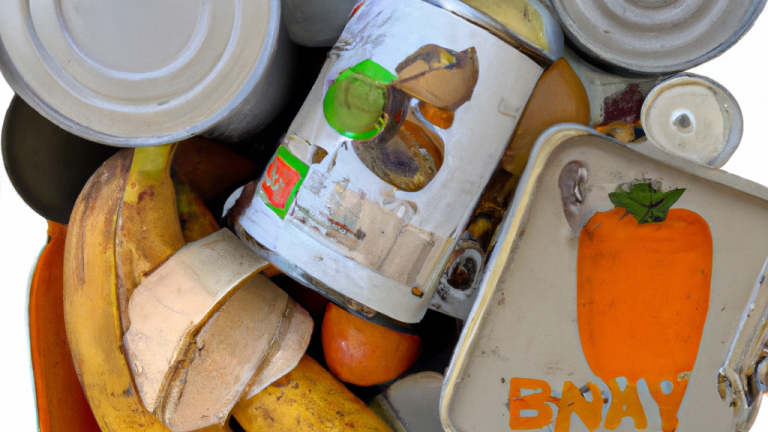
Turning Waste into Wealth: The Importance of Recycling in Daily Life
Recycling is a fundamental practice for environmental preservation and planetary sustainability. Turning waste into wealth not only benefits the environment but also creates economic and social opportunities. In this article, we will explore the importance of recycling in our daily lives and how we can contribute to a more sustainable world.
Benefits of Recycling
Recycling offers numerous benefits for the environment and society as a whole. By transforming waste into new products, recycling helps reduce the extraction of natural resources, saves energy, reduces air and water pollution, and decreases the amount of waste sent to landfills.
Moreover, recycling generates jobs in the recycling industry and promotes a circular economy, where materials are continuously reused, reducing the need for new material production. This helps decrease the carbon footprint and mitigate the impacts of climate change.
How to Recycle Daily
Recycling daily is simpler than it seems. Start by sorting waste into categories such as plastic, paper, metal, and glass. Then, check if your city has a recycling collection service and separate recyclable waste from organic waste.
Additionally, you can reduce the amount of waste you produce by opting for durable and reusable products, avoiding unnecessary packaging, and choosing recycled products. With small habit changes, it’s possible to make a significant difference for the environment.
Recycling Specific Materials
Some materials are more challenging to recycle than others, but this doesn’t mean they should be discarded in regular trash. Batteries, electronics, and light bulbs, for example, contain toxic substances that can contaminate soil and water if improperly disposed of.
Look for specific collection points for these materials or contact companies specializing in recycling. Many stores and manufacturers offer recycling programs for these products, facilitating proper disposal and material reuse.
Recycling and Creativity
Besides properly sorting waste and recycling materials, recycling can also stimulate creativity and innovation. Many artists and designers use recycled materials in their works, creating unique and sustainable pieces.
Repurposing materials like plastic bottles, cans, cardboard boxes, and used tires can generate amazing decorative objects, furniture, clothing, and accessories. This practice, known as upcycling, transforms waste into wealth and shows that it’s possible to be sustainable without sacrificing style.
Conclusion
Recycling is an essential practice for environmental preservation and building a more sustainable future. By turning waste into wealth, we contribute to pollution reduction, natural resource conservation, and the promotion of a circular economy.
Small actions in our daily lives, such as properly sorting waste, reducing disposable product consumption, and recycling specific materials, make all the difference. With creativity and engagement, we can transform the world around us and create a healthier and more balanced environment for future generations.
To learn more about sustainable practices, check out the following articles on our blog:
- Turning Waste into Gold: The Ultimate Guide to Composting
- 7 Ways to Make Your Life More Sustainable with Urban Mobility
- Awakening Environmental Awareness: How Activism Can Save the Planet
