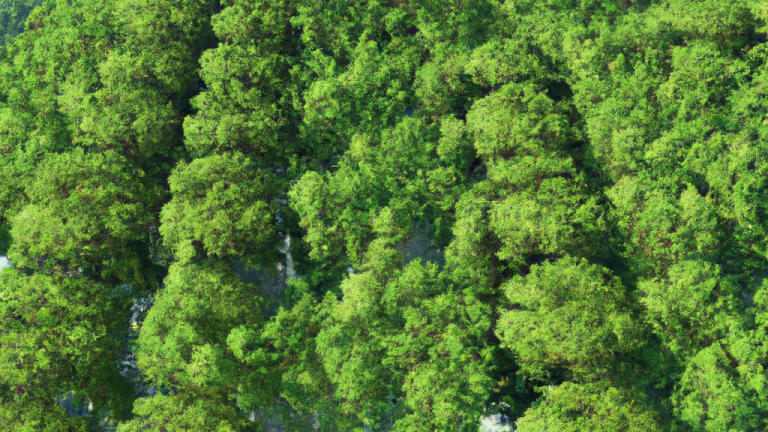
The Green Renaissance: The Crucial Role of Reforestation for Our Planet
Reforestation is a fundamental practice for the restoration and preservation of terrestrial ecosystems. With growing concerns about climate change and biodiversity loss, the need to reforest degraded and deforested areas has become urgent. In this article, we will explore the importance of reforestation for our planet and how this practice can contribute to a more sustainable future.
Benefits of Reforestation
Reforestation brings a range of benefits for both the environment and society. Among the main benefits, we can highlight:
Climate Change Mitigation
Reforestation is one of the most effective ways to capture and store carbon from the atmosphere. Trees absorb carbon dioxide (CO2) during photosynthesis, helping to reduce the amount of this greenhouse gas in the atmosphere. Thus, reforestation contributes to climate change mitigation and the fight against global warming.
Biodiversity Preservation
Forests are essential habitats for thousands of plant and animal species. With deforestation and forest degradation, many species are at risk of extinction. Reforestation helps restore these habitats and promote biological diversity, allowing threatened species to find a suitable environment for their survival again.
Water Resource Protection
Forests play a fundamental role in regulating the water cycle. Trees help maintain soil moisture, preventing erosion and degradation of water resources. Additionally, forests act as natural filters, contributing to the water quality of rivers and springs. Through reforestation, it is possible to protect and preserve water resources, ensuring water supply for future generations.
Challenges and Solutions
Despite the numerous benefits of reforestation, we still face significant challenges for its large-scale implementation. The lack of financial incentives, land use pressure for agricultural activities, and lack of public awareness are some obstacles that need to be overcome.
Financial Incentives
One of the main barriers to reforestation is the lack of financial incentives for landowners. Often, reforesting degraded areas is not economically viable, discouraging landowners from investing in this practice. To overcome this challenge, it is essential to create public policies and financing programs that encourage reforestation and recognize the value of ecosystem services provided by forests.
Land Use
Land use pressure for agricultural, livestock, and urban activities is another threat to reforestation. Many forest areas are deforested to make way for plantations, pastures, and real estate developments, compromising biodiversity and ecosystem services provided by forests. It is crucial to promote sustainable land-use planning that reconciles economic development with environmental conservation and the restoration of degraded ecosystems.
Public Awareness
Raising public awareness about the importance of reforestation and environmental conservation is essential to ensure the success of this practice. It is crucial to educate and engage people in forest restoration actions, showing the benefits for the environment and the quality of life of communities. Environmental education initiatives, awareness campaigns, and volunteer programs can help mobilize society in favor of reforestation and ecosystem preservation.
Reforestation in Brazil
Brazil is one of the world’s richest countries in biodiversity but also one of the most threatened by deforestation. The Amazon, Cerrado, Atlantic Forest, and other Brazilian biomes have been suffering from the destruction of their forests, putting the fauna, flora, and ecosystem services of these regions at risk.
In this scenario, reforestation plays a fundamental role in the conservation and recovery of Brazilian ecosystems. Various initiatives and projects are being developed across the country to promote forest restoration, spring recovery, protection of permanent preservation areas, and sustainable management of natural resources.
Forest Restoration Program
An example of a reforestation initiative in Brazil is the Atlantic Forest Restoration Program, coordinated by the SOS Mata Atlântica Foundation. This program aims to promote the ecological restoration of degraded areas in the Atlantic Forest through the planting of native seedlings, spring recovery, and raising public awareness about the importance of conserving this biome.
Another important initiative is the Degraded Areas Recovery Project (RAD), promoted by the Institute of Ecological Research (IPÊ). This project focuses on restoring degraded areas in the Cerrado and Amazon, contributing to biodiversity conservation and promoting sustainable development in these regions.
Conclusion
Reforestation is an essential practice for the preservation of terrestrial ecosystems, climate change mitigation, and biodiversity protection. With increased awareness of the importance of environmental conservation, it is crucial to invest in reforestation initiatives worldwide, promoting the restoration of degraded areas and the recovery of lost ecosystem services.
By supporting reforestation projects, engaging society in conservation actions, and promoting public policies that encourage forest restoration, we can contribute to a more sustainable future and ensure the health of our planet for future generations.
