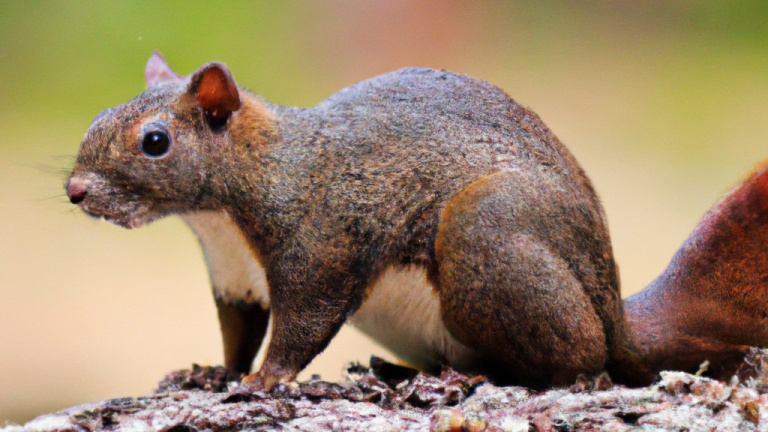
Exploring the Fascinating World of Ecosystems: The Importance of Harmony Between Living Beings and Environment
An ecosystem is a complex, interconnected system involving all living beings, their physical environments, and the interactions between them. From microorganisms invisible to the naked eye to majestic forest trees, each living being plays a crucial role in maintaining the balance and health of the ecosystem as a whole. In this article, we will delve deeper into this fascinating world of ecosystems and understand the importance of harmony between living beings and the environment they inhabit.
What is an ecosystem?
An ecosystem is a community of living beings, along with the physical environment they inhabit, interacting dynamically. This includes plants, animals, microorganisms, soil, air, water, and all abiotic and biotic factors that make up the environment. Each ecosystem has its own unique characteristics, such as climate, topography, soil types, and availability of natural resources, which directly influence the diversity and abundance of life it hosts.
The importance of biodiversity in ecosystems
Biodiversity is essential for the health and stability of ecosystems. The greater the diversity of species in an ecosystem, the more resilient it is to environmental changes and the better it can adapt to new conditions. Each species plays a unique and vital role in the web of life, contributing to functions such as pollination, organic matter decomposition, pest control, and purification of water and air.
Moreover, biodiversity in ecosystems also offers direct benefits to humans, such as food, medicines, genetic resources, building materials, and ecosystem services like climate regulation, crop pollination, and water purification. Therefore, preserving biodiversity is crucial to ensuring our well-being and the planet’s balance as a whole.
The role of living beings in ecosystems
Each living being in an ecosystem plays a specific role and interacts with other living beings and the environment in various ways. Plants, for example, are the foundation of the food chain, producing oxygen through photosynthesis and serving as food for herbivores. Herbivores, in turn, feed on plants and are prey for carnivores. Decomposers, such as fungi and bacteria, play a crucial role in nutrient recycling and organic matter decomposition, releasing essential nutrients back into the soil.
These complex interactions among living beings in ecosystems create a dynamic balance that allows for the coexistence of different species and the maintenance of the ecosystem’s health as a whole. When a component of the ecosystem is removed or disturbed, it can have cascading effects throughout the food chain and result in ecological imbalances.
The importance of harmony between living beings and the environment
Harmony between living beings and the environment is essential for the sustainability of ecosystems. Each living being depends on the environment in which it lives for food, water, shelter, and other resources essential for its survival. Likewise, the environment also depends on living beings for vital functions, such as nutrient cycling, plant pollination, and pest control.
When the harmony between living beings and the environment is disrupted, whether by human activities, climate change, or natural events, ecosystems can suffer irreversible damage. Loss of biodiversity, soil degradation, water and air contamination, habitat fragmentation, and climate change are just some of the negative impacts that can result from the lack of harmony in ecosystems.
How we can protect and restore harmony in ecosystems
To protect and restore harmony in ecosystems, it is crucial to adopt sustainable land use practices, biodiversity conservation, natural resource management, and reduce our ecological footprint. This includes implementing protected areas, restoring degraded ecosystems, promoting sustainable agriculture, responsible water resource use, and reducing greenhouse gas emissions.
Furthermore, environmental education and awareness of the importance of harmony between living beings and the environment are essential to promote behavioral changes and encourage individual and collective actions for ecosystem protection. Each of us can make a difference by adopting more sustainable practices in our daily lives, such as recycling, reducing natural resource consumption, supporting biodiversity conservation, and participating in ecological restoration initiatives.
Conclusion
An ecosystem is a complex, interconnected system involving all living beings, their physical environments, and the interactions between them. Harmony between living beings and the environment is essential for the sustainability of ecosystems and the preservation of biodiversity. Protecting and restoring this harmony is crucial to ensuring our well-being and the planet’s balance as a whole. Each of us has a role to play in promoting harmony in ecosystems and building a more sustainable future for future generations.
Links internos para outros posts no blog:
– 5 Simple Ways to Protect the Environment and Make a Difference
– 5 maneiras simples de proteger o meio ambiente e fazer a diferença
– Discover the Wonders of Ecosystems: Unveiling the Incredible Biodiversity Around Us
– Explorando as maravilhas do ecossistema: conheça a incrível biodiversidade que nos cerca
– Clean Energy: How to Save Money and Protect the Planet
Links externos para fontes confiáveis:
– World Wildlife Fund – Deforestation
– National Geographic – Ecosystem
– Center for Biological Diversity – Elements of Biodiversity
