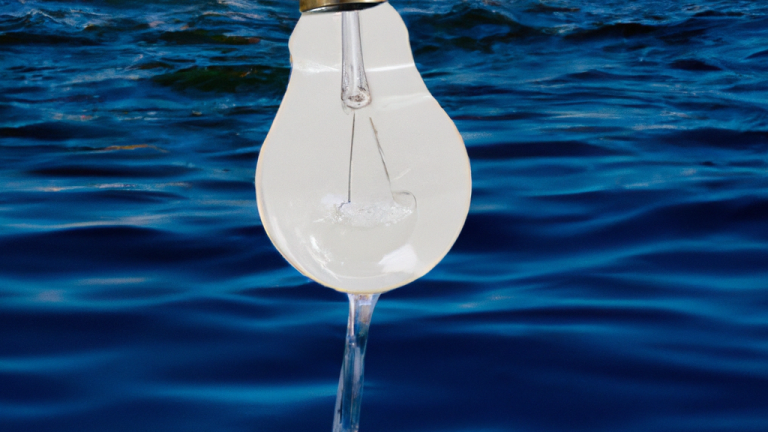
Contaminated Water: The Impact of Pollution and How We Can Reverse It
Water is an essential resource for life on Earth, but unfortunately, it is under constant threat of contamination due to human-caused pollution. In this article, we will explore the impacts of water pollution and discuss ways to reverse this concerning situation.
The Impacts of Water Pollution
Water pollution occurs when harmful substances are introduced into water bodies, impairing water quality and potability. These substances can include toxic chemicals, industrial waste, domestic sewage, agricultural pesticides, and plastics, among others.
The impacts of water pollution are devastating, affecting both the environment and human health. Among the main impacts, we can highlight:
1. Harm to Aquatic Life
Water pollution can lead to the death of fish, aquatic birds, and other aquatic animals due to contamination by toxic substances. Additionally, the degradation of aquatic habitats can result in species extinction and the imbalance of aquatic ecosystems.
2. Risks to Human Health
Water contaminated by pollutants can pose serious risks to human health, causing diseases such as diarrhea, hepatitis, bacterial infections, and even cancer. The lack of access to clean and safe water is one of the leading causes of death worldwide.
3. Economic Impacts
Water pollution also has significant economic impacts, affecting sectors such as fishing, tourism, and agriculture. Water contamination can reduce agricultural productivity, harm commercial fishing, and deter tourists from coastal destinations.
How We Can Reverse This Situation
To reverse the situation of water pollution, it is essential to adopt effective measures for the protection and preservation of water resources. Some actions that can be taken include:
1. Sewage Treatment
Proper treatment of domestic and industrial sewage is essential to prevent water contamination by organic waste and chemicals. Investing in sewage treatment infrastructure is crucial to ensure that water released into the environment is clean and safe.
2. Pollutant Control
Controlling industrial and agricultural pollutants is fundamental to reducing water contamination by toxic substances. It is important to implement strict environmental regulations and encourage sustainable practices in industry and agriculture to protect water resources.
3. Reduction of Plastic Use
Plastic is one of the main pollutants of oceans and rivers, causing irreversible damage to marine life and aquatic ecosystems. Reducing the use of disposable plastics, recycling, and adopting sustainable alternatives are essential measures to prevent water contamination by plastic waste.
4. Environmental Education
Promoting awareness and environmental education is fundamental to engaging the population in the protection of water resources. Encouraging sustainable practices, such as rational water use, recycling, and the preservation of rivers and oceans, is essential to ensure a sustainable future for future generations.
Conclusion
Water pollution is a serious problem that affects not only the environment but also the health and well-being of the population. To reverse this concerning situation, it is essential to adopt effective measures for the protection and preservation of water resources, such as sewage treatment, pollutant control, reduction of plastic use, and promotion of environmental education.
Only through concrete actions and the engagement of all sectors of society can we ensure the availability of clean and safe water for present and future generations. Protecting water is protecting life, and it is our duty to care for water resources to preserve the health of the planet and all living beings that inhabit it.
To learn more about the importance of ocean preservation, check out the post Dive into the Importance of Ocean Preservation: Why We Must Act Now.
